
It’s summertime! Celebrate with this gorgeous new Perfect Picture Book!
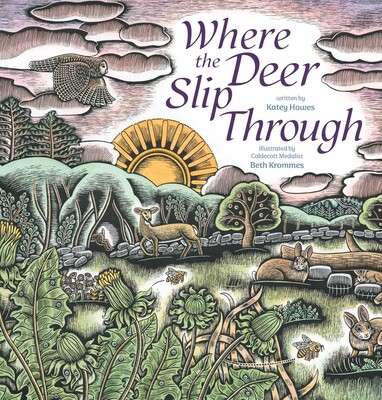
Title: Where the Deer Slip Through
Written By: Katey Howes
Illustrated By: Beth Krommes
Publisher/Date: Beach Lane Books/2025
Suitable for Ages: 4-8, and older
Themes/Topics: farm, wildlife, deer, rabbits, summer, lyrical language, poetry, quiet, bedtime, tranquility
Opening:
This is the hedge that grew and grew.
The wall of stone a bit askew.
They guard the yard.
The barn does, too.
While just outside, hills roll and rise
away off into the pines.
Brief Synopsis: A poetic glimpse into life on a tiny farm with a hedge where deer and other wildlife slip through.
Links to Resources:
· Make your own scratchboard art;
· Which animals, birds, or insects visit your back yard? Draw a picture of one or more of them or describe them in a sentence or poem;
· Howes wrote Where the Deer Slip Through as a cumulative tale. Learn more about cumulative tales and try to write one.
Why I Like this Book:
In this ode to a summer day on a small farm, Howes describes the wildlife that visits from dawn, through the day, into the evening, and at night. Written as a cumulative tale, Howes’ poetry invites readers to appreciate the wonders of nature that slip into our lives if we look and linger and observe.
Where the Deer Slip Through is a quiet book, a calming read, a meditation on moments that help us leave the chaos and noise of the digital world behind and enter a peaceful realm. I could hear leaves rustling, doves cooing, and bees buzzing as I read. I almost felt as if I had slipped through the pages and into this idyllic scene.
Krommes artwork, “black-and-white images on scratchboard panels, transferred…onto paper…[with] added watercolor” in soft earth tones, transports readers to this tranquil scene and adds another storyline. A farm awakens as the deer slip through at dawn. A child is front and center in several scenes. Farm chores take place in the background.
The combination of the cumulative structure and scratchboard art hearkens back to an earlier, less stressful era. Whether read in a classroom as students head into summer break or as a bedtime story as your child, and you, wind down after a busy day, I heartily recommend Where the Deer Slip Through.
A Note about Craft:
I could note how the cumulative structure holds this quiet, meditative manuscript together. Or I could point how the lyrical language elevates the text and enriches the reader’s experience. But instead, I’ll reflect on how Katey’s heart is evident in each line of Where the Deer Slip Through, and how the text, and our lives, are so much richer because of it.
This Perfect Picture Book entry is being added to Susanna Hill’s Perfect Picture Book list. Check out the other great picture books featured there!




 Wander, Ponder, Write